Construction Site Toilets
Rugged, jobsite-ready portable restrooms in San Rafael, CA.
- ✓ Flexible Delivery Scheduling
- ✓ Heavy-Duty Build
- ✓ Weekly Servicing
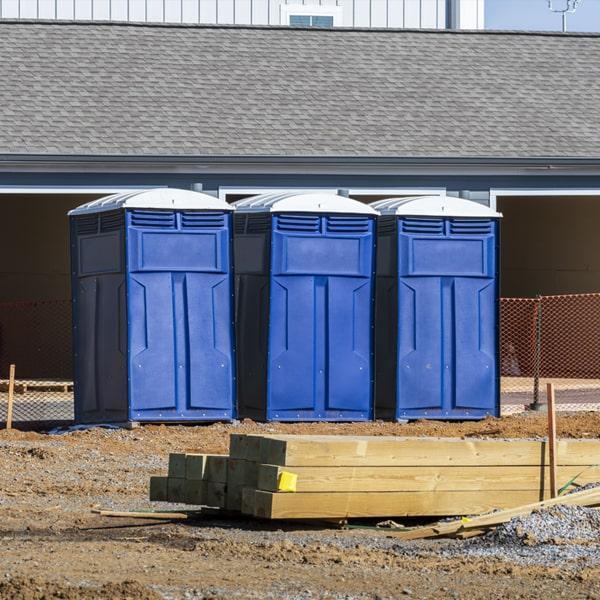
Rugged, jobsite-ready portable restrooms in San Rafael, CA.
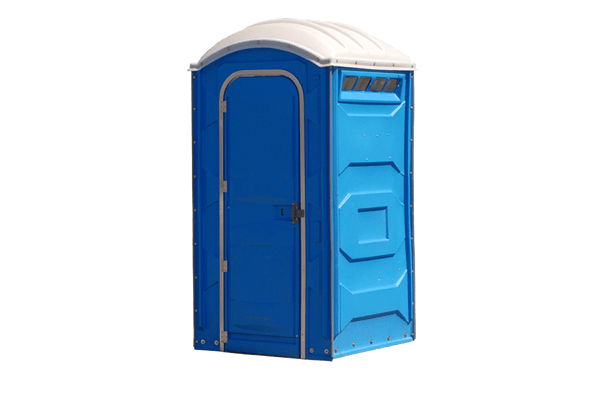
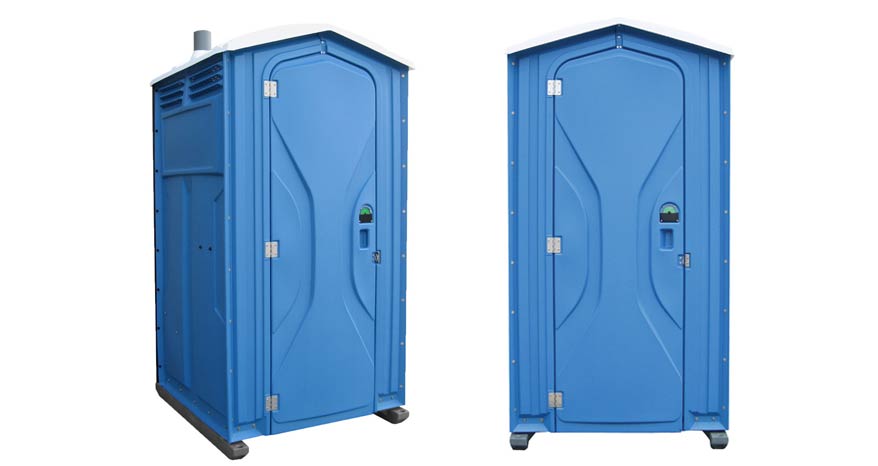
A construction portable toilet should be placed where workers can reach it without crossing an unsafe work zone or losing unnecessary time, while still keeping it out of material staging, equipment paths, deliveries, and emergency access. Start with the expected daily crew count and project duration. A project with a few workers performing finish work has different needs than an early-stage build with multiple trades. Explain whether the work runs weekdays only, includes weekends, or will change significantly by phase. If workers cannot use an existing building restroom, say so clearly. Choose a firm, level placement area with room for delivery and ongoing service access. The unit should not be trapped behind a locked gate, temporary fencing, excavation, stacked materials, or parked machinery. Review the site after major changes such as grading, framing, paving, or fencing. In wet weather, monitor ground conditions and avoid locations likely to become soft or waterlogged. Designate an on-site superintendent or contact who can communicate access changes promptly.
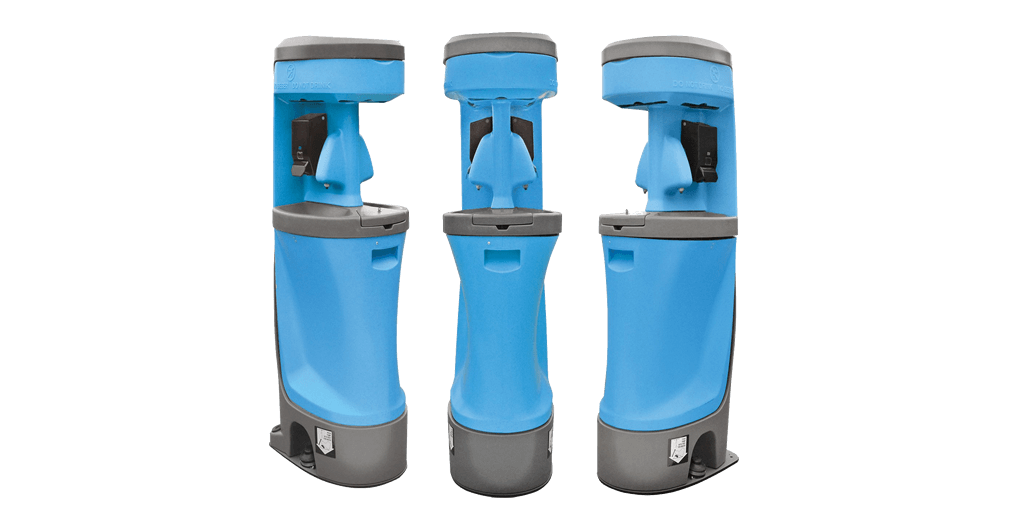
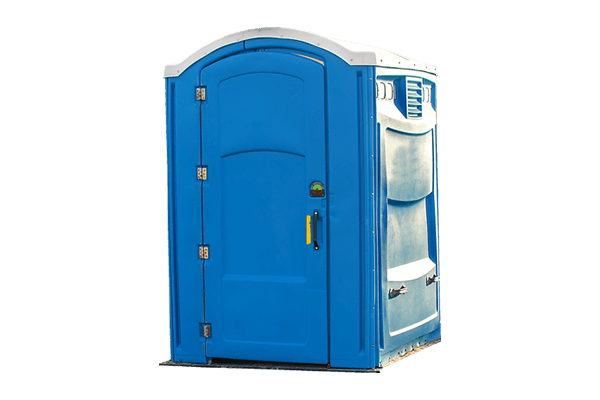
Longer construction rentals should include an honest discussion of expected use and servicing needs. Rather than assuming a fixed schedule suits every job, provide crew size, rental period, work hours, and whether the number of workers will grow or shrink. Ask about handwashing equipment if the work involves materials or activities where a nearby hygiene point is useful. An ADA / handicap accessible unit can also be discussed if an accessible option is needed for the worksite or project requirements. Prepare a complete quote request with the job address, start date, anticipated completion date, crew estimate, placement preference, delivery route, and contact person. Include gate codes only through an appropriate direct arrangement, and note restricted entry times, road work, shared drives, or property manager rules. Construction site toilets work best when the location stays planned as carefully as the rest of the jobsite. A clear service route and accurate project information help keep temporary sanitation from becoming an avoidable operational issue.